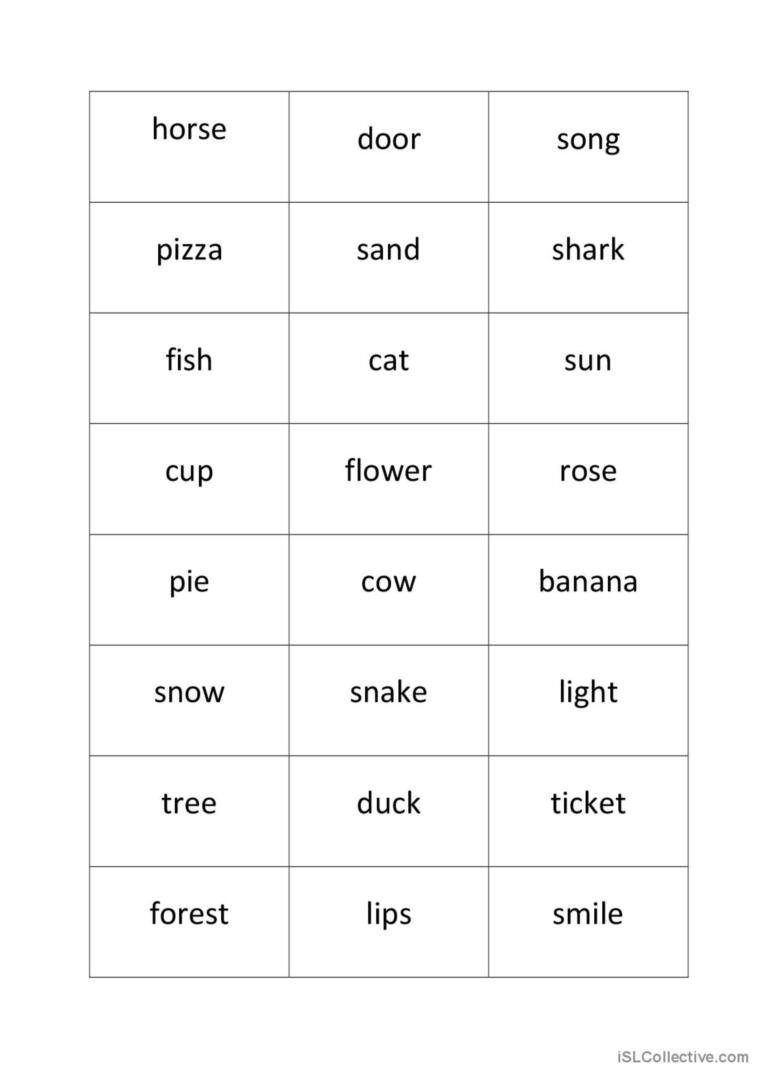
Pictionary: the ultimate party game that proves you don't need to be Picasso to have a blast. It’s all about rapid-fire imagination and some truly terrible (or hilariously genius) stick figures. But let's be honest, the fun factor plummets when players are staring at a blank canvas, stumped by a word that's too obscure or complex. That's where easy Pictionary ideas come in, turning potential frustration into guaranteed laughter and seamless gameplay.
This guide isn't just a list of words; it's your blueprint for creating the most stress-free, engaging, and genuinely fun Pictionary experience, whether you're playing with kids, adults, or a mix of both. We’ll dive into what makes an idea truly "easy," why simplicity is your secret weapon, and arm you with categories and tips to keep the guesses flowing and the good times rolling.
At a Glance: Your Quick Guide to Easy Pictionary Fun
- Pictionary's Core Benefit: Boosts creativity, vocabulary, and teamwork – no artistic talent required!
- The "Easy" Advantage: Keeps the game moving, reduces frustration, and maximizes laughter.
- Key Setup: Whiteboards/paper, markers, and pre-written word slips.
- Basic Gameplay: Teams guess drawings within a 3-minute time limit to score points.
- Golden Rule: No talking, no writing words – only drawing.
- Smart Strategy: Choose words familiar to all players, and categorize them by theme or difficulty.
- Customization is King: Tailor word lists to your audience and occasion for ultimate engagement.
Why Easy Pictionary Ideas Are Your Game Night Hero
Think about it: the best Pictionary rounds are those where someone draws a few lines, and the whole team shouts the answer in unison, followed by high-fives and triumphant cheers. That shared "aha!" moment is the heart of the game. Easy Pictionary ideas foster exactly that, ensuring everyone, from the shyest participant to the most boisterous, feels included and capable.
This isn't just about fun, though. For younger players, Pictionary is a fantastic developmental tool. It helps children connect words to meanings, enriching their vocabulary in an interactive way. The act of drawing, even simple shapes, hones fine motor skills, while the pressure of the clock ignites creativity and quick thinking. It’s also a powerful lesson in teamwork, collaboration, and even empathy as players try to understand their teammate's visual clues. The game inherently emphasizes creative thinking over artistic talent, making it accessible to all.
When words are too hard, players get stuck, rounds drag, and the energy deflates. By opting for universally understood concepts, you streamline the game, amplify participation, and keep the smiles plastered on everyone's faces.
Getting Started: The Bare Essentials for a Smooth Pictionary Game
Before we dive into the treasure trove of ideas, let’s quickly recap what you’ll need and how to play. The beauty of Pictionary lies in its simplicity.
What You'll Need:
- Drawing Surface: Whiteboards and dry-erase markers work best for reusability. Alternatively, large pads of paper and thick pens are perfect.
- Pictionary Words: Pre-written on individual slips of paper, folded, and placed into a hat or bowl.
- Timer: A stopwatch, phone timer, or even a classic hourglass will do.
- Score Pad: To keep track of points (though you can just use fingers for smaller games!).
How to Play Pictionary: A Quick Refresher
- Word Prep: Write all your chosen Pictionary words/ideas on separate slips of paper. Fold them and put them into a hat or bowl.
- Team Up: Divide your players into at least two teams. You'll need a minimum of four players total for a good game.
- Illustrator Select: For each round, one player from each team will be the designated illustrator. The rest of their team will be the guessers.
- Pro Tip for Kids: If a child picks a word they truly don't know or can't picture, allow them one re-draw. This keeps frustration at bay.
- Pick & Draw: The illustrator selects a slip of paper from the hat. They then have 3 minutes to draw their word.
- Guess Away! While the illustrator draws, their team members frantically guess what it is.
- Score It: If the team guesses correctly before time runs out, they earn 1 point. If not, no point is awarded for that round.
- Victory Lane: The first team to reach a predetermined score (e.g., 5 points) wins the game!
- Rotate: Make sure a different child or player takes a turn as the illustrator in subsequent rounds to give everyone a chance.
The Golden Rule: No Talking, No Writing!
This is non-negotiable. Illustrators cannot speak, make sounds, or write any letters, numbers, or symbols that spell out the word. The entire concept must be represented solely through a picture or drawing. This rule is what makes the game challenging and hilarious!
The Power of Simplicity: What Makes a Pictionary Idea "Easy"?
An "easy" Pictionary idea isn't just a short word; it's a concept that is:
- Universally Recognizable: Everyone playing should instantly know what the word means. Think common objects, animals, actions, or emotions.
- Visually Distinct: The concept should have a unique, simple visual representation. "Sun" is easy because it’s a circle with lines. "Chair" is easy because it has a back, a seat, and legs.
- Simple to Render: It shouldn't require complex artistic skill. Stick figures, basic shapes, and quick lines should suffice. Avoid anything that demands perspective, shading, or intricate details.
- Concrete, Not Abstract: Abstract concepts like "justice" or "freedom" are far harder to draw than concrete nouns like "apple" or "dog."
- Not Easily Confused: "Cat" is great; "jaguar" might be harder if it just looks like a fancy cat.
When you stick to these principles, you create a game where every player feels confident illustrating and guessing, leading to more "Ah-ha!" moments and less head-scratching.
Dive Into Easy Ideas: Categories for Every Occasion
The beauty of Pictionary is its adaptability. You can tailor your word lists to your audience, ensuring maximum engagement and fun. Here are some fantastic, easy categories and example words to get you started, perfect for players of all ages.
Easy Pictionary Ideas for Kids
Kids thrive on familiarity and clear visuals. These categories are designed to be immediately recognizable and simple to draw, building their confidence and making the game a blast.
1. Everyday Objects (Super Easy)
These are the building blocks of Pictionary. Simple shapes, common items.
- Sun, Moon, Tree, Cup, Fork, Bird, Boat, House, TV, Pizza, Ball, Car, Book, Hat, Shoe, Flower, Star, Cloud, Door, Bed
2. Animals (Clearly Identifiable)
Focus on animals with distinct features. - Dog, Cat, Fish, Duck, Pig, Cow, Snake, Spider, Bear, Rabbit, Bee, Frog, Elephant, Monkey, Lion
3. Simple Actions (Basic Verbs)
Actions that can be conveyed with a single stick figure or simple motion lines. - Jumping, Running, Eating, Sleeping, Sitting, Waving, Reading, Drinking, Singing, Walking, Throwing, Kicking, Climbing, Crying, Laughing
4. Food (Deliciously Draw-able)
Familiar snacks and meals are always a hit. - Apple, Banana, Orange, Carrot, Cookie, Bread, Milk, Cheese, Watermelon, Hot Dog, Ice Cream, Cake, Sandwich, Egg, Grape
5. Emotions (Expressive Faces)
Basic emotions are great for simple facial expressions. - Happy, Sad, Angry, Surprised, Scared, Excited, Tired, Worried, Confused, Shy
6. Places (Simple Structures)
Iconic structures or common locations. - School, Park, Beach, House, Store, Hospital, Library, Zoo, Farm, Airport
7. Sports (Action-Packed Fun)
Focus on the main object or a key action of the sport. - Soccer, Basketball, Baseball, Football, Swimming, Running, Tennis, Golf, Cycling, Dancing
Stepping Up: Medium Difficulty for Confident Kids or Mixed Groups
Once everyone's warmed up, or if you have older children and adults, you can introduce slightly more complex but still very manageable words.
- American Flag, Watch, Stoplight, Tent, Christmas Tree, Kite, Flashlight, Guitar, Dolphin, Train
- Hamburger, T-shirt, Bicycle, Microscope, Robot, Rocket, Camera, Computer, Umbrella, Cactus
Hilarious & Creative Pictionary Ideas
Sometimes, you want words that are a little silly and guaranteed to spark laughter, even if the drawing is abstract. These work well for all ages.
- Man walking on the moon, SpongeBob SquarePants, Person wearing a wig, Gum under desk, Slipping on a banana peel, Person doing a handstand, Upside-down book, Person singing, Unicycle, Dancing, Alien, Ghost, Pirate, Superhero, Unicorn, Robot falling down
Expanding for Adults & Themed Parties
Pictionary is a fantastic icebreaker and party game for adults too. The key is to leverage shared experiences, cultural touchstones, or the specific theme of your gathering.
1. Pop Culture Pictionary (Movies, TV, Music)
Consider what movies, TV shows, or songs are currently popular or classics among your group.
- Examples: Star Wars, Harry Potter, The Office, Titanic, Pizza (as in, "Home Alone"), Jaws, "Twinkle, Twinkle Little Star," Michael Jackson, Beyoncé, Batman, Superman, Netflix, TikTok.
- Tip: For movies/TV, draw a key character, an iconic scene, or a significant object. For songs, draw something related to the title or a famous lyric.
2. Office & Workplace Pictionary
Perfect for team-building or staff gatherings. Tailor these to your specific industry or common office items/actions. - Examples: Coffee break, Conference call, Spreadsheet, Email, Printer, Stapler, Computer mouse, Brainstorming, Deadline, Promotion, Paycheck, Desk, Chair, Meeting, Presentation, Report, Typing, Filing, Teamwork.
3. Holiday & Seasonal Pictionary
Great for festive gatherings. - Christmas: Santa Claus, Reindeer, Christmas tree, Ornament, Present, Snowman, Sleigh, Gingerbread man, Elf, Candy cane
- Halloween: Ghost, Pumpkin, Witch, Bat, Spider, Candy, Costume, Haunted house, Vampire, Skeleton
- Thanksgiving: Turkey, Pie, Feast, Cornucopia, Pilgrim, Acorn, Family, Gratitude
- Easter: Easter bunny, Easter egg, Basket, Chick, Jelly bean, Spring, Flower
4. Food & Drink Pictionary (More Specific)
Elevate the food category with more specific items or cooking actions. - Examples: Sushi, Taco, Burger, French fries, Spaghetti, Ice cream cone, Donut, Coffee, Cocktail, Wine glass, Baking, Frying, Chopping, Toast, Milkshake.
5. Places & Landmarks (Iconic or Local)
If your group shares a travel bug or local pride. - Examples: Eiffel Tower, Statue of Liberty, Great Wall of China, Pyramid, Golden Gate Bridge, Empire State Building, White House, Beach, Mountain, Forest, Desert, River, City, Village. (Or local landmarks relevant to your group!)
Personalized Pictionary Themes: The Ultimate Customization
This is where Pictionary becomes truly unique and incredibly engaging. The most fun Pictionary games often come from tapping into what your players have in common.
- Shared Experiences: Think inside jokes, memorable vacations, funny incidents, or group activities.
- Example: "That time Dave fell off the paddleboard," "Our trip to the Grand Canyon," "The office holiday party."
- Family & Friends: Draw family members, pets, or specific characteristics.
- Example: "Grandma's famous cookies," "Uncle Bob's beard," "Our dog chasing squirrels."
- Specific Interests/Hobbies: If your group shares a passion for gaming, books, specific sports, or crafts.
- Example: "Knitting," "Video game controller," "Dungeons & Dragons," "Gardening," "Coding," "Hiking."
The key to creating new Pictionary ideas is to consider what your players know and enjoy. If you're struggling to brainstorm, remember that Our Pictionary topic generator can provide an endless stream of fresh ideas tailored to various categories and difficulties, helping you craft the perfect game effortlessly.
Crafting Your Own Word Lists: Tips for Generating Endless Fun
While lists are great, learning how to generate your own easy Pictionary ideas means you'll never run out of game-night inspiration.
- Brainstorm Big, Then Filter: Start by listing everything that comes to mind in a category (e.g., "Kitchen"). Then, go through and cross out anything too abstract, too similar to another word, or too hard to draw simply.
- Think Visually First: When you pick a word, immediately ask yourself: "How would I draw this with just a few lines?" If the answer isn't instant and clear, it might not be easy enough.
- Consider Your Audience: This is paramount. A word easy for a group of engineers might be impossible for third graders, and vice versa. Always gauge the general knowledge and age range of your players.
- Use Sub-Categories: Instead of just "Animals," try "Farm Animals," "Pets," or "Jungle Animals." This helps focus your brainstorming and ensures more specific, drawable ideas.
- Mix & Match Difficulty (Thoughtfully): Even in an "easy" pile, it's okay to have a few "medium" words. This adds a little spice without overwhelming players. Just ensure the majority are genuinely easy.
- Avoid Similar-Sounding Words: Words like "pear" and "pair" can be confusing. Stick to concepts with distinct visual and phonetic identities.
- Test Your Words: Before a big game, quickly sketch a few of your more questionable words. If you struggle, your players likely will too.
- Leverage Online Generators: If you're really stuck, don't reinvent the wheel. Tools like our Pictionary topic generator can be invaluable for quickly generating tailored lists.
Common Pictionary Pitfalls & How to Dodge Them
Even with easy words, a few snags can derail the fun. Here’s how to anticipate and prevent them:
- The "I Don't Know This Word" Dilemma: This is why choosing universally known words is crucial, especially for kids. For younger children, always offer a re-draw option if they genuinely don't recognize the word. For adults, if a word is truly obscure, you might allow a team to "pass" once per game, or offer a quick, one-word hint from the host.
- The Overly Ambitious Artist: Some illustrators get caught up in trying to create a masterpiece. Remind players that speed and clarity trump artistic prowess. A quick, simple drawing is often more effective than a detailed one that takes too long. "Think stick figures!" is a good mantra.
- The Silent Guesser: Sometimes teams struggle to get started. Encourage active, vocal guessing, even if it's wildly off. The illustrator can often use these guesses to refine their drawing. For kids, you might model enthusiastic guessing.
- The Rules Lawyer: Pictionary can sometimes lead to debates about what constitutes "drawing" vs. "writing" or if a hint was given. Establish clear rules upfront, particularly the "no talking, no writing" rule. If a dispute arises, make a quick, fair ruling and keep the game moving. The goal is fun, not perfect adherence to every nuance.
- Uneven Teams: If one team is consistently winning or losing badly, consider shaking up the teams or offering a handicap (e.g., the losing team gets an extra minute per round).
- Word List Fatigue: Playing with the same list repeatedly can get stale. This is where fresh, themed lists or a word generator really shine. Keep things novel by rotating your categories!
Making It Even Easier: Quick Hacks for a Smooth Game
Sometimes, you need to simplify things on the fly or add a little extra boost to the gameplay.
- Theme for the Day: Instead of mixing categories, declare a "Sports Day Pictionary" or "Food Focus Pictionary." This helps illustrators and guessers narrow their thinking.
- Visual Prompts: For very young children or those struggling, you can subtly show the illustrator a picture of the word (not the word itself!) before they draw. This helps them visualize.
- Shorter Timers: If players are getting frustrated with 3 minutes, or if you want a faster, more frantic game, cut the time to 60 or 90 seconds. This forces quick thinking and simple drawings.
- Collaborative Drawing: For younger kids, allow two kids to draw the same word together. This can reduce pressure and encourage teamwork.
- Open Guessing (No Teams): For a very casual, low-pressure game, simply have one person draw and everyone shouts out guesses. The first to guess correctly gets to draw next. This removes the competitive element.
- Picture Pictionary (Reverse Pictionary): Have someone show a picture (e.g., from a magazine or flashcard), and teams have to guess the word. This is great for vocabulary building without drawing pressure.
Your Next Pictionary Adventure Awaits
Armed with these easy Pictionary ideas, categories, and tips, you're ready to host a game night filled with laughter, creativity, and unforgettable moments. Whether you're wrangling a group of energetic kids, breaking the ice at a corporate event, or just looking for some casual fun with friends, keeping your Pictionary words simple is the ultimate cheat code for success.
So grab your markers, prepare your word slips, and get ready to draw your way to a fantastically fun and stress-free Pictionary experience. The simpler the idea, the bigger the smiles!