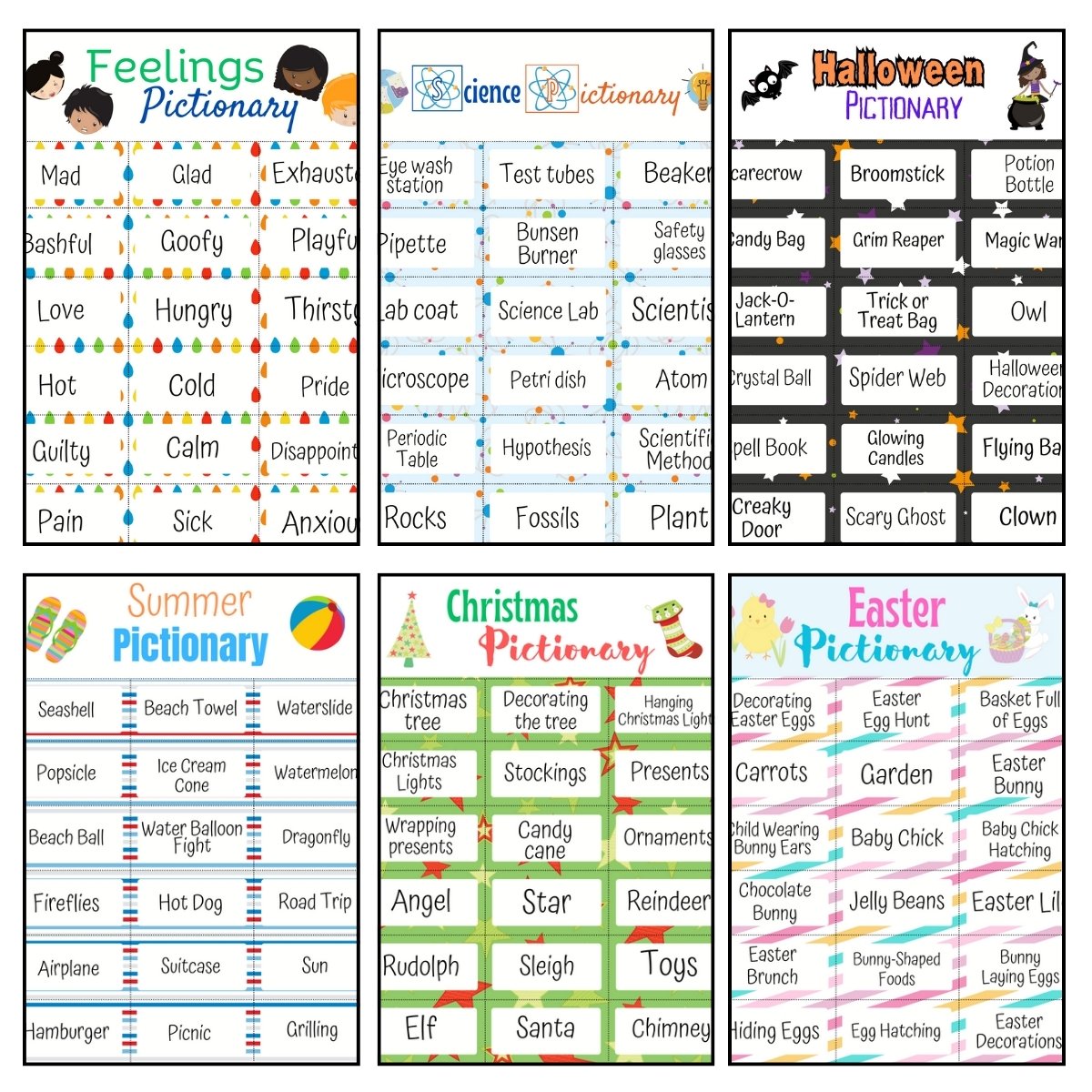
When the crayons come out and imaginations light up, few games deliver as much spontaneous laughter and creative thinking as Pictionary. Especially for kids, this classic drawing and guessing game isn't just about winning; it's a vibrant playground where words meet art, sparking connections and building essential skills without anyone even realizing they're learning. Diving into the world of Pictionary topics for kids means unlocking endless possibilities for family fun, educational enrichment, and unforgettable game nights.
At a Glance: Why Pictionary is a Kid-Friendly Winner
- Boosts Creativity: Encourages visual thinking and imaginative problem-solving.
- Expands Vocabulary: Players connect words with images, reinforcing understanding.
- Enhances Communication: Builds teamwork and non-verbal communication skills.
- Adapts to All Ages: Easily customize word difficulty for younger or older kids.
- Fosters Bonding: A fantastic way for families and friends to connect and laugh together.
- Zero Art Skills Required: Focus is on fun and guessing, not perfect masterpieces!
Why Pictionary is a Game-Changer for Kids' Development
Pictionary is more than just a pastime; it's a dynamic activity that nurtures a host of developmental benefits, often disguised as pure fun. Imagine your child grappling with how to draw "happiness" or "a dinosaur"—that's their brain firing on all cylinders, engaging in critical thinking and creative expression.
Here’s why it deserves a spot in your family's game rotation:
- Ignites Imagination & Creativity: Kids must visualize a word and translate it into a drawing, pushing the boundaries of their creative thought. This isn't just about drawing; it's about seeing the world in new ways.
- Boosts Vocabulary & Comprehension: As kids draw and guess, they build stronger connections between words and their meanings. Research has even shown that engaging with games like Pictionary can significantly enhance vocabulary acquisition and understanding, directly supporting academic success.
- Sharpens Logical Thinking & Problem-Solving: How do you draw "sleep" or "fast"? Kids learn to break down concepts, identify key features, and communicate them visually under pressure – a fantastic exercise in quick thinking.
- Enhances Communication & Teamwork: Players learn to give and receive non-verbal cues, practicing collaboration and taking turns. It’s a perfect way to reinforce patience and the value of working together.
- Introduces New Concepts: Pictionary can be a stealthy teaching tool, allowing you to introduce new topics from history to science through engaging visual prompts.
- Fosters Emotional Expression: For some children, expressing ideas through drawing can be a powerful way to communicate emotions or understanding without relying solely on words.
Ultimately, Pictionary builds bonds. It’s about sharing a love for words and art, creating shared memories, and enjoying pure, unadulterated laughter together.
Mastering the Game: How to Play Pictionary with Kids
Getting started with Pictionary is incredibly straightforward. You don't need fancy equipment, just a few basic supplies and a willingness to embrace imperfection and fun!
Gather Your Materials
Before the drawing frenzy begins, make sure you have these essentials:
- Paper: A stack of plain paper, a whiteboard, or a large pad works best. The bigger, the better for easy viewing!
- Drawing Tools: Pencils, markers, crayons, dry-erase pens – whatever you have on hand.
- Timer: A stopwatch, phone timer, or even a sand timer set for 1-2 minutes per turn.
- Pictionary Cards: Your list of words, cut into individual slips of paper.
- Container: A bowl, hat, or bag to hold the word cards.
Simple Setup for Instant Play
- Prepare Your Words: Write or print your chosen Pictionary topics onto cards, then cut them out.
- Fill the Pot: Place all the word cards into your container.
- Team Up! Divide players into two (or more) teams. If you have only a few players, individuals can compete for points.
- Pick Your Picasso: Each team decides who will be their first "drawer" for the round. Remember to rotate drawers so everyone gets a turn!
Ready, Set, Draw! The Gameplay
- The Reveal: The first drawer picks a card from the container. Crucially, they must not show the word to anyone, especially their own team!
- Start the Clock: As soon as the drawer sees the word, start the timer (usually 1-2 minutes).
- Draw, Don't Speak (or Write!): The drawer immediately begins drawing clues for their team. The golden rule: absolutely NO talking, writing letters, or using numbers in the drawing. Gestures and sound effects are also usually off-limits.
- Guess Away! Team members shout out guesses as the drawing takes shape.
- Point for the Win: If the team guesses the correct word before the timer runs out, they earn a point!
- Rotate & Repeat: The next team takes their turn, with a new drawer. Keep rotating the drawer within each team so every child gets a chance to draw.
- Keep Score: Tally points for each correct guess. You can play until a certain score is reached, for a set amount of time, or until everyone has had a chance to draw a specific number of times.
The most important rule? Have fun! Pictionary isn't about being a perfect artist; it's about sharing laughs and enjoying the creative chaos together.
Setting Up for Success: Essential Pictionary Tips for Kids
To ensure your Pictionary game is a hit, especially with younger players, a little preparation and a few guiding principles go a long way.
Choose Words Wisely: Age-Appropriateness is Key
This is arguably the most critical tip. The wrong words can lead to frustration, while the right words guarantee engagement.
- For Little Ones (Ages 4-7): Stick to simple, concrete nouns with 1-2 syllables. Think familiar objects, animals, and actions they encounter daily. "Cat," "ball," "sun," "eat" are perfect.
- For Elementary Kids (Ages 8-12): You can introduce slightly more complex words, common verbs, and even some simple concepts. "Bicycle," "computer," "running," "cloud" work well.
- For Tweens & Teens (Ages 13+): Challenge them with abstract nouns, more complex verbs, historical figures, movie titles, or scientific concepts. "Freedom," "photosynthesis," "superhero," "democracy" can be exciting.
Theme Your Game for Extra Excitement
Why not make Pictionary a themed event? This helps narrow down word choices and can add a fun twist.
- Animal Kingdom Pictionary: All words are animals.
- Holiday Fun Pictionary: Focus on words related to Christmas, Halloween, or birthdays.
- Cartoon Character Pictionary: Use names of their favorite characters.
- Nature Explorer Pictionary: Focus on trees, rivers, mountains, and weather.
- Movie Mania Pictionary: Use titles of popular kids' films.
- Bookworm Pictionary: Focus on characters or objects from beloved books.
Lay Down the Ground Rules Clearly
Before starting, briefly explain the rules. Keep it simple and positive:
- No Letters or Numbers: "Remember, we're drawing pictures, not spelling words!"
- Teamwork Makes the Dream Work: "Help your teammates guess, and remember to wait your turn."
- No Acting It Out: "We're using our drawing skills today, not charades."
Encourage Every Participant (Art Skills Optional!)
Some kids might be shy about drawing. Reassure them!
- Focus on Fun, Not Perfection: Emphasize that stick figures are perfectly fine. The goal is to convey the idea, not create a masterpiece. "It's about having fun, not being a famous artist!"
- Praise Effort and Creativity: Even if a drawing is hard to guess, acknowledge the effort and creative approach. "That was such a clever way to draw that!"
- Offer gentle nudges: If a child is hesitant, suggest they draw something very simple for their first turn.
Consider Small Incentives
While the game itself is rewarding, a little extra motivation can be fun.
- Sticker Rewards: Stickers for good teamwork or clever guesses.
- "Bragging Rights": The winning team gets to choose the next game or activity.
- Small Treats: A special snack for the winners.
Beyond the Board: Pictionary as an Educational Powerhouse
Pictionary isn't just a party game; it's a versatile educational tool used by teachers and parents to reinforce learning in dynamic ways.
- Vocabulary Enhancement in Language Arts: Use Pictionary to introduce new vocabulary words, helping students visualize meanings, practice spelling (mentally!), and build comprehension. It's especially effective for English language learners.
- Concept Reinforcement in Science & Social Studies: Ask kids to draw "volcano," "ecosystem," "continent," or "historical figure." This active recall solidifies their understanding of complex concepts.
- Fostering Critical Thinking: Challenge older children with abstract words like "justice," "courage," or "confusion." This pushes them to think critically about how intangible ideas can be represented visually.
- Assessing Comprehension: Instead of a quiz, ask students to draw a concept like "the water cycle" or "photosynthesis." This quickly reveals their level of understanding in a low-stress environment.
- Cross-Curricular Connections: Combine art and literature by having kids draw scenes, characters, or objects from a story they've read.
- Classroom Icebreaker: Pictionary is a fantastic way to energize a classroom, break the ice, and get students comfortable collaborating from the get-go.
The Ultimate List: Pictionary Topics for Kids that Spark Joy (and Guesses!)
This is where the magic truly happens! A rich and varied list of words is the heart of a great Pictionary game. Here's a comprehensive collection, categorized for easy browsing and tailored for different age groups and interests. If you're ever in need of more inspiration or want to keep the ideas flowing, you can always generate Pictionary topics with a dedicated tool.
Everyday Wonders: General Categories
These lists cover common objects, creatures, and places that are generally easy for kids to visualize.
Animals
- Elephant, Giraffe, Lion, Tiger, Monkey, Dolphin, Penguin, Butterfly, Dinosaur, Shark, Frog, Kangaroo, Panda, Octopus, Zebra, Koala, Dog, Snake, Owl, Rabbit, Turtle, Seahorse, Fish, Spider, Bee, Cat, Mouse, Bird, Bear.
Fantasy Characters
- Wizard, Dragon, Unicorn, Fairy, Superhero, Ogre, Mermaid, Troll, Knight, Leprechaun, Vampire, Ghost, Genie, Elf, Yeti, Robot.
Food & Drinks
- Pizza, Ice Cream, Hamburger, Hot Dog, Banana, Cupcake, Watermelon, Chocolate, Pancakes, Popcorn, Strawberry, Sandwich, Apple, Carrot, Grapes, Milk, Cheese, French Fries, Cookies, Peanut Butter, Soup, Spaghetti, Tomato, Orange, Corn, Donut, Potato, Candy, Soda, Juice, Cake, Toast, Cereal.
Vehicles
- Car, Bicycle, Train, Bus, Airplane, Boat, Helicopter, Truck, Scooter, Motorcycle, Ambulance, Fire Truck, Rocket, Submarine, Skateboard, Hot Air Balloon, Police Car, Tractor, Space Shuttle, Blimp.
Nature
- Tree, Flower, Sun, Moon, Rain, Cloud, Mountain, River, Rainbow, Star, Beach, Grass, Snowflake, Lake, Pond, Cave, Sandcastle, Forest, Waterfall, Volcano, Desert, Ocean, Island, Wave, Lightning.
Careers
- Doctor, Firefighter, Teacher, Astronaut, Chef, Police Officer, Pilot, Artist, Dentist, Veterinarian, Musician, Athlete, Lifeguard, Builder, Farmer, Baker, Dancer, Scientist.
Places
- Park, Zoo, School, Library, Museum, Farm, Hospital, House, Restaurant, Playground, Movie Theater, Campsite, Grocery Store, Castle, Airport, Amusement Park, Aquarium, Stadium, Hotel, Store, Bank, Beach, Forest.
Around the House
- Chair, Table, Bed, Sofa, Television, Desk, Bookshelf, Closet, Bathtub, Wardrobe, Lamp, Mirror, Clock, Toaster, Microwave Oven, Refrigerator, Toilet, Sink, Door, Window, Rug, Couch, Phone, Computer.
School Days
- Student, School Bus, Classroom, Book, Backpack, Pencil, Eraser, Globe, Ruler, Crayons, Scissors, Glue, Paper, Lunchbox, Computer, Blackboard, Desk, Teacher, Bell, Homework.
Sports & Games
- Soccer Ball, Basketball, Baseball, Tennis Racket, Football, Volleyball Net, Swimming Pool, Golf Club, Hockey Puck, Balance Beam, Snow Ski, Ice Hockey, Table Tennis, Chess, Surfing, Horse Riding, Hopscotch, Gymnasium, Homerun, Bowling, Skates, Scooter, Jump Rope.
Farm Life
- Cow, Horse, Pig, Chicken, Sheep, Duck, Plant, Tractor, Barn, Farmer, Goat, Egg, Scarecrow, Corn, Field, Hay, Stable.
Vacation & Travel
- Beach Ball, Sunglasses, Palm Tree, Snorkel, Flip-flops, Sunscreen, Money, Camera, Seashell, Hammock, Roller Coaster, Tent, Map, Campfire, Suitcase, Surfboard, Passport, Plane Ticket, Hotel, Souvenir.
By Difficulty: Tailoring the Challenge
Adjusting word difficulty keeps the game fun and engaging for everyone, from toddlers to teens.
Simple (Great for Younger Kids, 4-7)
- House, Chair, Cup, Ball, Pen, Swing, Door, Drum, Jump Rope, Star, Moon, Airplane, Phone, Room, Turtle, Doll, Bike, Car, Bottle, Spoon, Crayon, Pencil, Eraser, Frame, Santa Claus, Ice Cream, Hat, Shoe, Sun, Frog, Fish, Apple, Cake, Bed, Lamp, Book, Clock, Key.
Medium (Ideal for Elementary Schoolers, 8-12)
- Basketball, Roller Skates, Computer, Scooter, Bus, Cell Phone, Watch, Flip-flops, Cupcake, Helmet, Gloves, Violin, Guitar, Ukulele, Goldfish, Pig, Halloween Pumpkin, Kite, Socks, Christmas Tree, Doctor, Painter, Pokemon, Castle, Lighthouse, Rainbow, Robot, Pizza, Elephant, Dolphin, Mountain, River, Treehouse, Skyscraper, Backpack.
Hard (Perfect for Tweens, Teens, and Adults)
- Kite Surfing, Ice Skating, Gymnastics, Trampoline, Torch, Spiderweb, Shipwreck, Journal, Flag, Invitation, Team Captain, Dripping, Cold, Calendar, Paper Ball, Drinking Fountain, Communicate, Scuba Diver, Accountant, Gasoline, Gas Station, Airport, Platform, Chewing Gum, Geometry, Lightning, Prison, Piano, Bulletin, Volcano, Ecosystem, Constellation, Gravity, Photosynthesis, Abstract, Freedom, Justice, Mystery, Compromise, Evolution.
Bonus Categories: Expand the Fun!
Inject extra flavor into your game with these specialized lists.
Movies & TV Shows (Use popular kid-friendly titles)
- The Lion King, Moana, Finding Nemo, Cinderella, Toy Story, Frozen, Harry Potter, Star Wars, Spiderman, Batman, The Avengers, Teenage Mutant Ninja Turtles, How to Train Your Dragon, Jurassic Park, E.T., Shrek, Despicable Me, Minions, Up, Wall-E.
(You can customize this list with whatever movies or TV shows are currently popular with your kids!)
Human Body & Emotions
- Stomach, Baby, Head, Mouth, Chin, Neck, Hand, Cheek, Ear, Smile, Cry, Sad, Angry, Confused, Happy, Nose, Eye, Foot, Arm, Finger, Lip, Tooth, Heart, Surprised, Lungs, Brain, Bone, Knee, Elbow, Hair, Tongue, Dream, Scared, Excited, Bored, Shy.
The World Around Us (Geography & Landmarks)
- Spain, Rivers, Oceans, Continents, Countries, Pacific Ocean, India, Australia, Antarctica, Russia, Mexico, China, Egypt, Suez Canal, England, White House, New York, Washington D.C., Eiffel Tower, Pyramids, Statue of Liberty, Great Wall of China, Amazon River, Desert, Island, Glacier.
Verbs & Actions
- Blink, Point, Dance, Leap, Kick, Jump, Bike, Drink, Trip, Run, Pinch, Row, Ski, Snowboard, Swim, Circle, Shout, Pray, Meditate, Cook, Rest, Burp, Listen, Type, Text, Sing, Wave, Climb, Sleep, Read, Write, Build, Fly, Dig, Plant, Hunt, Watch, Laugh, Sneeze.
Famous People & Characters
- Harry Potter, Hermione Granger, Albus Dumbledore, Voldemort, Batman, Superman, Spongebob, Michael Jordan, Neil Armstrong, Scooby-Doo, Princess Leia, Sherlock Holmes, The Grinch, Albert Einstein, Dr. Seuss, Queen Elizabeth, Santa Claus, Easter Bunny, Tooth Fairy, Wonder Woman, Captain America, Ironman, Hulk, Elsa, Anna, Mickey Mouse.
(Again, tailor this to who your kids know and admire!)
Your Pictionary Playbook: Frequently Asked Questions
Got more questions about making Pictionary a perfect fit for your family? Here are some common queries, answered.
How does Pictionary build vocabulary and language skills?
When players try to guess a word from a drawing, they're actively connecting a visual representation with its linguistic counterpart. This process encourages them to think of synonyms, related concepts, and descriptive words, naturally expanding their vocabulary and strengthening their understanding of word meanings.
How long does a typical game of Pictionary last?
A game usually runs for about 30 to 60 minutes. The duration depends on several factors: the number of players, the difficulty of the words chosen, and how quickly teams guess. You can always adjust the game length by setting a point goal or a time limit.
How can I make Pictionary more challenging for older kids?
For older children, elevate the difficulty by using more abstract words (e.g., "bravery," "democracy"), complex scientific concepts ("photosynthesis," "ecosystem"), historical events, book titles, or even famous quotes. Introducing themed rounds like "Literary Devices" or "World History" can also add a layer of challenge.
Does Pictionary help improve problem-solving skills?
Absolutely! Pictionary demands quick, creative problem-solving. Drawers must figure out how to visually represent a word without speaking, while guessers must analyze incomplete drawings and deduce the word. This encourages flexible thinking and the ability to approach a problem from different angles.
What's the ideal age to start playing Pictionary?
Generally, children aged eight and above can comfortably play Pictionary. Younger children (under eight) might struggle with the drawing complexity or have a more limited vocabulary. However, with simplified word lists and a focus on fun over competition, even five- and six-year-olds can enjoy a modified version.
Can Pictionary be played online?
Yes, many online platforms and apps offer digital versions of Pictionary, often allowing multiplayer drawing and guessing. You can also play informally by using a shared online whiteboard and an online random word generator for quick, remote fun with friends and family.
How do I choose the best Pictionary words for very young children?
For small children, stick to very simple words with one or two syllables that represent familiar objects, animals, or actions they can easily identify and draw. Think "cat," "ball," "sun," "run," "drink." Concepts they see and interact with daily are ideal.
How can I make our Pictionary games even better?
Introduce themed rounds (e.g., "only animals today!"), implement a strict time limit to amp up the pressure, allow a "skip" option for truly stumped drawers, use a large whiteboard for group visibility, and always prioritize laughter and participation over winning. Gradually introduce harder words as players get more confident.
Ready, Set, Draw! Your Next Steps for Pictionary Fun
You now have a treasure trove of Pictionary topics for kids, expert tips, and a clear understanding of why this game is a must-have for any family looking to boost creativity, learning, and bonding.
The beauty of Pictionary lies in its simplicity and adaptability. You don't need to be an art prodigy, just willing to draw a stick figure and embrace the inevitable hilarious misinterpretations. So, gather your paper, grab some markers, pick a few words from our extensive lists, and prepare for an evening filled with giggles, "aha!" moments, and wonderful family memories.
The canvas is ready, the words are waiting – it’s time to draw your way to fun!