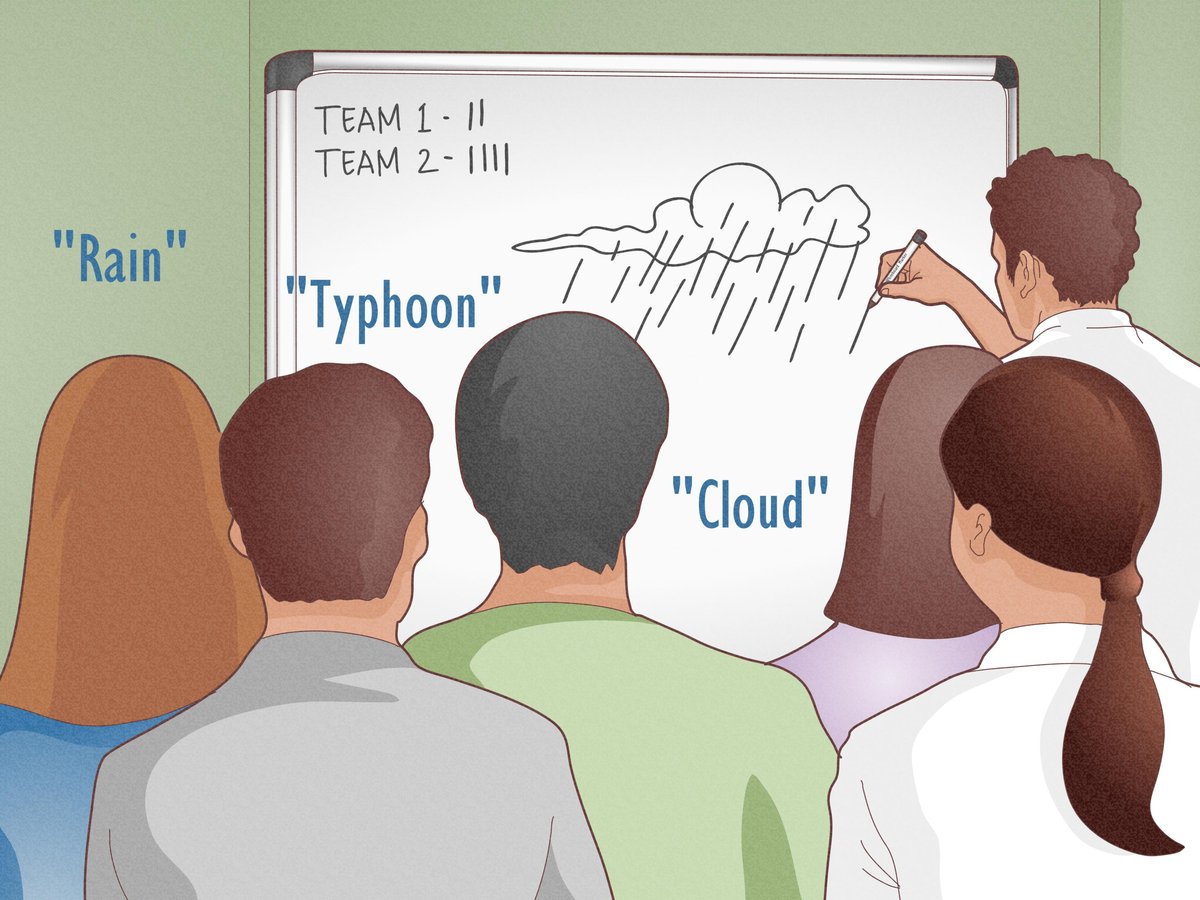
Forget the days of random word lists and predictable drawings. Imagine a Pictionary game where every scribble sparks a specific kind of laughter, where the shared context of a theme electrifies the room, and where even the most rudimentary stick figure feels like a masterwork. Welcome to the world of Themed Pictionary Categories—a game-changer that transforms a simple drawing charades into an unforgettable experience.
This isn't just about fun; it's about deeper engagement, tailored challenges, and an explosion of creativity. Whether you're planning a family game night, a corporate team-building event, or a casual get-together with friends, injecting a theme can breathe new life into your Pictionary sessions.
At a Glance: Key Takeaways for Mastering Themed Pictionary
- Why Theme It? Themed Pictionary boosts engagement, narrows focus for easier guessing, and adds a unique flavor to any gathering.
- Choosing Your Theme: Consider your audience, the occasion, and the desired difficulty level. Pop culture, holidays, hobbies, and abstract concepts are great starting points.
- Crafting Word Lists: Balance easy, medium, and hard words within your chosen theme. Mix nouns, verbs, and phrases.
- Preparation is Key: Pre-write or print words, set clear rules, and ensure you have drawing supplies for all teams.
- Beyond the Basics: Explore variations like reverse Pictionary or themed prop challenges to keep the game fresh.
- Keep it Playful: The goal is laughter and connection, not artistic perfection or ruthless competition.
Why Themes Are a Game Changer: Beyond Basic Pictionary
You've played Pictionary. You've drawn "dog" and "house," maybe even "airplane" or "bumblebee." It's fun, but it can sometimes feel a bit… flat. A theme injects purpose and personality. It gives players a shared mental framework, making guessing both more challenging (due to nuance) and surprisingly easier (due to context).
Think about it: drawing "lightsaber" is more exciting when everyone's already in a Star Wars mindset. Guessing "snowman" feels natural during a holiday party. Themed categories create a focused environment that encourages specific knowledge, inside jokes, and a deeper dive into a shared interest. This not only makes the game more dynamic but also allows for personalized experiences that resonate deeply with your specific group.
The Anatomy of a Great Pictionary Theme
Not all themes are created equal. A successful Pictionary theme strikes a balance between being broad enough to generate plenty of words, yet specific enough to provide clear direction. Here’s what makes a theme truly shine:
- Relevance to Your Audience: This is paramount. A theme about 80s hair bands will fall flat with a group of toddlers. Tailor your choice to the collective interests, ages, and knowledge base of your players.
- Breadth of Vocabulary: Can you easily generate at least 50-100 unique words across different difficulty levels within that theme? A theme like "purple objects" might be too narrow, whereas "colors" is too broad.
- Visual Potential: Pictionary is, by nature, visual. Can words within your theme be reasonably depicted? "Democracy" might be tough, but "Statue of Liberty" within a "USA Landmarks" theme is perfect.
- Adaptability for Difficulty: A great theme allows for a spectrum of easy, medium, and hard words. This keeps the game engaging for everyone, from novice doodlers to seasoned sketch artists.
Brainstorming Your Perfect Theme: Getting Started
Ready to dive into the world of themed Pictionary? Here's a structured approach to picking a theme that will guarantee a hit:
- Consider the Occasion: Is it a birthday party? A holiday gathering? A casual Friday night? The event itself often provides the best thematic inspiration.
- Think About Your Group's Demographics: What are their ages, hobbies, inside jokes, favorite movies, or shared memories? This personal touch can make a theme truly special.
- Tap into Current Events or Pop Culture: What's trending? A popular new movie, a viral meme, a major sporting event—these can be fertile ground for timely and engaging themes.
- Explore General Categories: Sometimes, a broader category can be a launching pad. Think: "Animals," "Travel," "Food," "Historical Eras." From there, you can narrow it down (e.g., "Animals" → "Endangered Animals" or "Pets").
Don't overthink it at first. Jot down any ideas that come to mind. You can always refine and combine later. The goal is to get those creative juices flowing!
A Goldmine of Themed Pictionary Categories: Ideas for Every Occasion
Here’s where the fun really begins. We’ve curated an extensive list of themed Pictionary categories, broken down by type, to inspire your next game night. For each, we'll offer suggestions for easy, medium, and hard words, drawing inspiration from comprehensive lists like those found on WordsDetail.com to ensure a balanced challenge.
1. Pop Culture Powerhouses
These themes leverage shared media knowledge for maximum engagement.
- Movies & TV Shows:
- Why it works: Everyone has favorite films and series. You can narrow it down by genre (sci-fi, rom-coms, horror) or even specific franchises (e.g., Disney, Marvel Cinematic Universe).
- Easy: Minions, SpongeBob, Spider-Man, Toy Story, The Lion King.
- Medium: The Matrix, Stranger Things, Game of Thrones, Friends, Jurassic Park.
- Hard: Pulp Fiction, Inception, Schitt's Creek, Parasite, The Good Place.
- Music Mania:
- Why it works: From iconic songs to legendary artists, music transcends generations. Focus on genres, decades, or famous musicians.
- Easy: Guitar, Drums, Singing, Dancing, Baby Shark.
- Medium: Thriller (song or video), Bohemian Rhapsody, Beatles, Pop Star, Rock and Roll.
- Hard: Jazz musician, Symphony orchestra, Opera singer, Reggaeton, Dubstep.
- Video Games & Fandoms:
- Why it works: Perfect for younger crowds or dedicated gamers. Focus on character names, game titles, or iconic items.
- Easy: Mario, Minecraft, Pac-Man, Controller, Level up.
- Medium: Zelda, Fortnite, Pokémon, Halo, Wii Sports.
- Hard: Elden Ring, Cyberpunk 2077, Red Dead Redemption, Metroid, Boss battle.
- Celebrities & Famous Personalities:
- Why it works: Iconic looks, signature gestures, and well-known professions make for great drawing prompts.
- Easy: Elvis Presley, Oprah Winfrey, Basketball player, Singer.
- Medium: Beyoncé, Tom Hanks, Taylor Swift, President, Scientist.
- Hard: Greta Thunberg, Banksy, Frida Kahlo, Neil deGrasse Tyson, Maya Angelou.
2. Seasonal & Holiday Celebrations
Tie your Pictionary game to the time of year or a specific holiday for instant festive cheer.
- Christmas / Winter Wonderland:
- Why it works: Rich with imagery and universal recognition.
- Easy: Santa Claus, Snowman, Christmas tree, Present, Snowflake.
- Medium: Reindeer, Candy cane, Gingerbread man, Sled, Hot chocolate.
- Hard: Mistletoe, Nutcracker, Elf on the Shelf, Silent Night, Figgy pudding.
- Halloween Horrors:
- Why it works: Spooky, fun, and visually distinct.
- Easy: Ghost, Pumpkin, Witch, Spider, Bat.
- Medium: Zombie, Vampire, Haunted house, Mummy, Trick-or-treat.
- Hard: Werewolf, Frankenstein's monster, Ouija board, Exorcist, Grim Reaper.
- Summer Fun / Beach Day:
- Why it works: Bright, active, and evokes positive feelings.
- Easy: Sun, Beach, Sandcastle, Swimsuit, Ice cream.
- Medium: Surfboard, Seashell, Picnic, Watermelon, Snorkeling.
- Hard: Lifeguard, Jellyfish, Sunburn, Beach volleyball, Sand dollar.
3. Hobbies, Interests & Everyday Life
These themes are relatable and allow for a wide range of words based on common experiences.
- Sports & Games:
- Why it works: Active verbs and iconic equipment.
- Easy: Ball, Soccer, Running, Swimming, Basketball.
- Medium: Tennis racket, Football helmet, Bowling, Golf club, Chess.
- Hard: Synchronized swimming, Archery, Fencing, Curling, Decathlon.
- Food & Drink Delights:
- Why it works: Tangible, delicious, and easy to visualize. You can specialize (e.g., "Desserts" or "Breakfast Foods").
- Easy: Apple, Pizza, Cake, Hamburger, Coffee.
- Medium: Sushi, Taco, Spaghetti, Pancake, Hot dog.
- Hard: Croissant, Mashed potatoes, Milkshake, Avocado toast, Crème brûlée.
- Travel & Geography:
- Why it works: Landmarks, modes of transport, and global imagery.
- Easy: Airplane, Map, Mountain, Beach, Eiffel Tower.
- Medium: Pyramids, Great Wall of China, Statue of Liberty, Passport, Suitcase.
- Hard: Machu Picchu, Northern Lights, Trans-Siberian Railway, Sahara Desert, Mount Everest.
- Animals (Specific Categories):
- Why it works: Easy to draw, and you can narrow it down to "Farm Animals," "Pets," "Jungle Animals," "Sea Creatures," or "Birds."
- Easy: Dog, Cat, Bird, Fish, Lion.
- Medium: Giraffe, Elephant, Penguin, Dolphin, Kangaroo.
- Hard: Platypus, Armadillo, Chameleon, Octopus, Hummingbird.
4. Educational & Intellectual Pursuits
For a more challenging or knowledge-based game, these themes can be surprisingly fun.
- Science & Technology:
- Why it works: Icons, concepts, and inventions.
- Easy: Moon, Computer, Rocket, Plant, Magnet.
- Medium: Microscope, DNA, Electricity, Robot, Gravity.
- Hard: Black hole, Photosynthesis, Artificial intelligence, Quantum physics, Evolution.
- Historical Eras & Figures:
- Why it works: Iconic costumes, events, and famous people.
- Easy: Dinosaur, Knight, Pyramid, Viking, King.
- Medium: Ancient Egypt, Roman Empire, World War II, Founding Fathers, Renaissance.
- Hard: Industrial Revolution, Magna Carta, Cleopatra, Socrates, The Silk Road.
5. Abstract & Conceptual Challenges
These themes push players to think more creatively about how to represent intangible ideas.
- Emotions & Feelings:
- Why it works: Requires abstract thought and expressive drawing.
- Easy: Happy, Sad, Angry, Scared, Love.
- Medium: Confused, Excited, Surprised, Peaceful, Frustrated.
- Hard: Nostalgia, Jealousy, Anxiety, Serenity, Melancholy.
- Actions & Verbs:
- Why it works: Focuses on dynamic movement and situations.
- Easy: Run, Jump, Eat, Sleep, Dance.
- Medium: Build, Whisper, Apologize, Celebrate, Explore.
- Hard: Procrastinate, Contemplate, Hypnotize, Illuminate, Manipulate.
Crafting Your Word Lists: Best Practices for Each Theme
Once you've chosen your theme, the real work (and fun!) begins: creating the word list. A well-balanced list is crucial for keeping everyone engaged.
- Balance Difficulty: Aim for a mix of easy, medium, and hard words within each theme.
- Easy: Obvious nouns, simple verbs, or widely recognized concepts (e.g., for "Food": apple, eat). These are great for getting teams comfortable and scoring quick points.
- Medium: More specific items, compound words, or common phrases (e.g., "Food": hot dog, spaghetti). These provide a satisfying challenge without being impossible.
- Hard: Abstract concepts, less common items, proper nouns that require specific knowledge, or phrases that demand creative interpretation (e.g., "Food": crème brûlée, avocado toast). These are for the grand slam points.
- Mix Word Types: Don't just stick to nouns. Include:
- Nouns: Objects, places, people (e.g., lion, Taj Mahal, chef).
- Verbs: Actions (e.g., jumping, singing, sprinting).
- Adjectives: Descriptors (e.g., sleepy, gigantic). Often paired with a noun.
- Phrases/Idioms: (e.g., raining cats and dogs, hit the road). These are often harder but incredibly rewarding when guessed.
- Use a Pictionary topic generator for inspiration if you get stuck. While you're theming, these tools can still offer a wide range of generic words that you can then adapt or filter for your specific category. For example, if you're doing a "Nature" theme, a generator might give you "river" or "mountain" which are perfect fits.
- Write Clearly: Use legible handwriting or print out your words. Ambiguity in the word itself can lead to frustration.
- Separate Difficulties: Some hosts like to separate easy, medium, and hard words into different piles or sections, allowing teams to choose their challenge level for different point values.
Hosting a Themed Pictionary Game: Rules, Setup, & Fair Play
A great theme deserves a smoothly run game. Here’s how to set the stage for success:
Pre-Game Setup
- Teams: Divide players into at least two teams. For larger groups, three or four teams keep everyone engaged.
- Drawing Supplies: Provide large pads of paper or a whiteboard/easel, along with plenty of markers or pens. Consider having a few different colors, but keep it simple to avoid overcomplication.
- Word Cards: Prepare your themed word cards as discussed above. Fold them or put them in a hat/bowl.
- Timer: A stopwatch or phone timer is essential. Standard Pictionary gives 60 seconds per drawing.
- Scorekeeping: Designate a scorekeeper and a visible scoreboard.
The Basic Rules (Themed Edition)
- Drawing Order: Teams take turns having one player draw for their teammates. The drawer cannot speak or make any gestures (like pointing to an object in the room).
- Guessing: Only the drawing team can guess. Other teams remain silent.
- Thematic Rule: Emphasize that all words drawn will belong to the chosen theme. This is crucial for guiding guesses.
- Time Limit: If the drawing team guesses the word before the timer runs out, they earn a point.
- Passing: If a team can't guess the word, the drawer can choose to "pass" to the other team (or rotate between other teams in larger games). The first team to guess correctly within a reduced time limit (e.g., 30 seconds) earns a point. This keeps the game moving.
- No Cheating: No talking, writing letters, or using props for the drawer.
- Winning: The first team to reach a predetermined score wins, or the team with the most points after a set number of rounds.
Making it Fair & Fun
- Rotating Drawers: Ensure everyone on a team gets a chance to draw.
- Clarify Ambiguity: If there's a debate about a drawing or a guess, the designated referee/host makes the final call. Remind everyone it's for fun!
- Encourage Support: Even if a drawing is terrible, encourage teammates to cheer and offer guesses. The best Pictionary moments often come from the most bizarre drawings.
Advanced Theme Play: Variations and Twists
Once you've mastered the basics of themed Pictionary, consider these variations to keep things fresh and exciting:
- Reverse Pictionary: The "drawer" is blindfolded or can't see the paper. Their teammates describe what to draw to them, and the blindfolded player tries to create the image. The goal is for a separate "guesser" (or the opposing team) to guess the word based on the verbal instructions and the resulting drawing. This is a hilarious twist!
- Pictionary Charades Hybrid: For some words, allow the drawer to incorporate charades elements (acting out, but without sound) to enhance the drawing. This works especially well for "Actions & Verbs" themes.
- Themed Prop Challenge: Incorporate a few simple, themed props (e.g., a wizard hat for a "Fantasy" theme, a plastic banana for a "Food" theme) that the drawer can use briefly to inspire their drawing, but not as direct clues. This adds a layer of physical comedy.
- Story Pictionary: Instead of single words, use a themed short phrase or even a very short, themed sentence. The drawer must depict the entire concept. (e.g., "The astronaut planted a flag on the moon" for a "Space" theme).
- Team Choice Difficulty: Let each team choose if they want an "easy," "medium," or "hard" card from the themed categories, with corresponding point values (e.g., 1, 3, or 5 points). This empowers players and adds a strategic layer.
Troubleshooting Common Pictionary Challenges
Even with a perfect theme, Pictionary can hit a snag. Here's how to navigate common issues:
- "I Can't Draw!" Syndrome: Reassure players that artistic skill is irrelevant. Emphasize that stick figures, arrows, and simple shapes are often more effective than detailed art. The goal is communication, not a masterpiece. Encourage them to think conceptually rather than literally.
- Words Are Too Hard/Easy: This is where a well-curated list pays off. If words are consistently too hard, simplify them on the fly or allow for more specific hints (e.g., "It's a place" for a "Travel" theme). If too easy, introduce a shorter time limit or only allow hard words for a round.
- Lull in Energy: If the game starts to lag, introduce a lightning round with a shorter timer, switch to a new themed category, or suggest a silly variation like drawing with your non-dominant hand.
- Disagreements & Arguments: Keep a referee/host who has the final say. Remind everyone it's a game, and the spirit of friendly competition (and laughter) should prevail over strict rule-following.
- Repetitive Drawings: If everyone keeps drawing the same basic representations for common words, encourage abstract thinking. For example, instead of just drawing a heart for "love," how else can "love" be depicted? (e.g., two people holding hands, a gift).
Frequently Asked Questions About Themed Pictionary
Q: How many words do I need for a themed Pictionary game?
A: Aim for at least 50-100 words per theme for a game lasting an hour or two. This ensures variety and allows for multiple rounds without running out. If you plan to play for longer or with many teams, prepare even more.
Q: Can I combine themes?
A: Absolutely! "Holiday Movies," "Animal Sports," or "Food from Around the World" are great examples of blended themes that add another layer of fun and challenge. Just make sure the combined theme still has enough visual words.
Q: Is it okay to use my phone for word ideas during the game?
A: During preparation, yes, it's encouraged to use online resources and lists to build your themed categories. During the game itself, no, it counts as cheating for the drawer. For the host, it's generally fine to discreetly look up an alternative if a word proves impossible or problematic.
Q: What if a player genuinely can't think of how to draw a themed word?
A: Give them a quick lifeline: allow them to draw a new card from the pile, or offer a tiny verbal hint (e.g., "It's something you wear"). The goal is participation and fun, not frustration.
Q: How do I make sure the difficulty is balanced for different ages?
A: When creating your word list, specifically tag words as "Kids," "Teens," and "Adults." During the game, allow the team to choose an age-appropriate card for their drawer, especially when kids are playing. A "Kid-Friendly Food" theme might have "Hot Dog" for kids and "Croissant" for adults.
Your Next Game Night Just Got an Upgrade
Stepping into the world of Themed Pictionary Categories isn't just about playing a game; it's about crafting an experience. By thinking strategically about your audience, occasion, and the visual potential of your chosen theme, you can transform a familiar pastime into something truly memorable. It's an opportunity for laughter, a chance to explore shared interests, and a guaranteed way to inject new energy into any gathering. So, gather your markers, pick your theme, and get ready to sketch your way to unforgettable fun!